Watermill Center Residency
2019-2020
Watermill Center Residency
2019-20
LEIMAY, CAVE and The New York Butoh Festival
“LEIMAY, CAVE and The New York Butoh Festival.” The Routledge Companion to Butoh Performance. Section 3, No 34, Ximena Garnica
Frantic Beauty
“Frantic Beauty”, Process Art Book, LEIMAY Ensemble, ed. Maddie Winchester
HERE Artist in Residence Program
2017-21
borders
“borders”, Process Art Book with Lucy Kerr, Hiram Pines, Ximena & Shige
New Music USA
2016, 2017
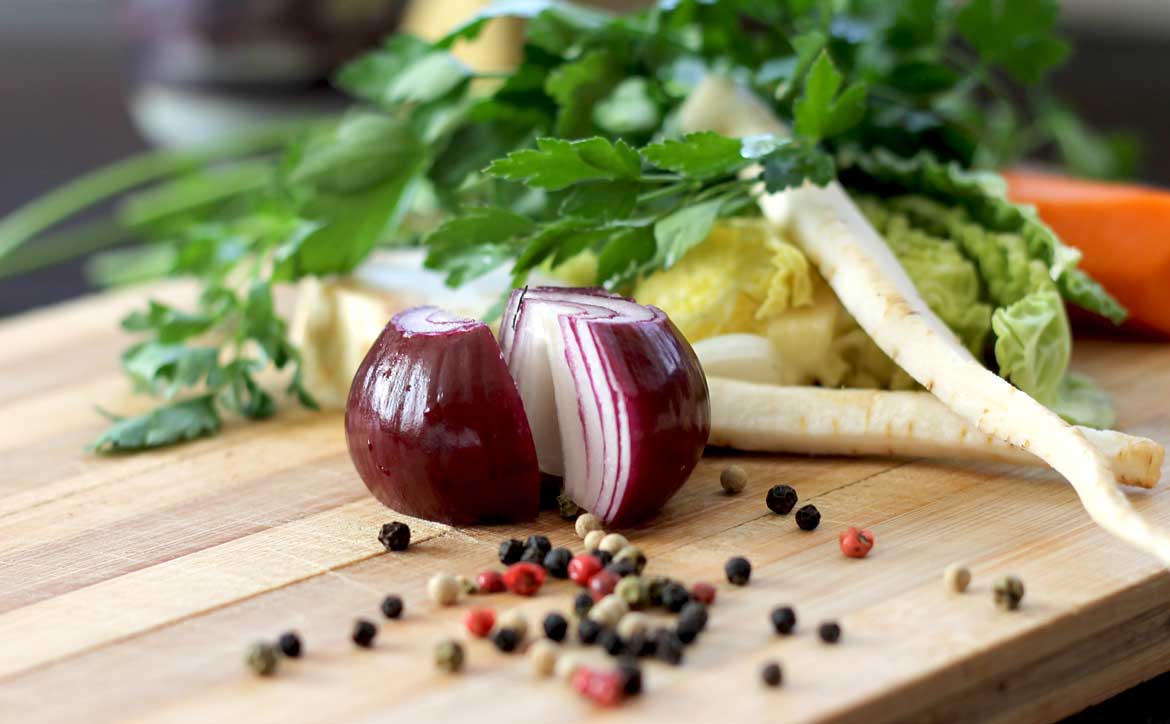
Vegan Foodie Paradise
Veganism /ˈviːɡənɪzəm/ is the practice of abstaining from the use of animal products, particularly in diet, as well as following an associated philosophy that rejects the commodity status of sentient animals. A follower of veganism is known as a vegan.
Distinctions are sometimes made between different categories of veganism. Dietary vegans (or strict vegetarians) refrain from consuming animal products, not only meat but, in contrast to ovo-lacto vegetarians, also eggs, dairy products and other animal-derived substances. The term ethical vegan is often applied to those who not only follow a vegan diet, but extend the vegan philosophy into other areas of their lives, and oppose the use of animals or animal products for any purpose.[4] Another term used is environmental veganism, which refers to the avoidance of animal products on the premise that the harvesting or industrial farming of animals is environmentally damaging and unsustainable.
The term vegan was coined in 1944 by Donald Watson when he co-founded The Vegan Society in England, at first to mean “non-dairy vegetarian” and later to refer to “the doctrine that man should live without exploiting animals.”Interest in veganism increased in the 2000s; vegan food became increasingly available in supermarkets and restaurants in many countries, and several top athletes in endurance sports, such as the Ironman triathlon and the ultramarathon, began to practise veganism and raw veganism.
A 2009 research review indicated that vegan diets tend to be higher in dietary fibre, magnesium, folic acid, vitamin C, vitamin E, iron and phytochemicals, and lower in calories, saturated fat, cholesterol, long-chain omega-3 fatty acids, vitamin D, calcium, zinc and vitamin B12.[8] Well-planned vegan diets appear to offer protection against certain degenerative conditions, including heart disease,[9] and are regarded as appropriate for all stages of the life-cycle by the American Dietetic Association, the Australian National Health and Medical Research Council, and Dietitians of Canada.[10] Because uncontaminated plant foods do not provide vitamin B12 (which is produced by microorganisms such as bacteria), researchers agree that vegans should eat B12-fortified foods or take a supplement.
Lemon-Vodka Life Philosophy
I believe that if life gives you lemons, you should make lemonade… And try to find somebody whose life has given them vodka, and have a party.”
Ron White



Honey Road
Honey /ˈhʌni/ is a sweet food made by bees using nectar from flowers. The variety produced by honey bees (the genus Apis) is the one most commonly referred to, as it is the type of honey collected by most beekeepers and consumed by people. Honeys produced by other bees (bumblebees, stingless bees) and other hymenoptera insects (e. g. honey wasps) have different properties, and they are not discussed in this article.Honey bees transform nectar into honey by a process of regurgitation and evaporation. They store it as a primary food source in wax honeycombs inside the beehive.Honey gets its sweetness from the monosaccharides fructose and glucose, and has approximately the same relative sweetness as granulated sugar.[1][2] It has attractive chemical properties for baking and a distinctive flavor that leads some people to prefer it over sugar and other sweeteners.[1] Most microorganisms do not grow in honey because of its low water activity of 0.6. However, honey sometimes contains dormant endospores of the bacterium Clostridium botulinum, which can be dangerous to infants, as the endospores can transform into toxin-producing bacteria in infants’ immature intestinal tracts, leading to illness and even death.
Honey has had a long history in human consumption, and is used in various foods and beverages as a sweetener and flavoring. It also has a role in religion and symbolism. Flavors of honey vary based on the nectar source, and various types and grades of honey are available. It has also been used in various medicinal traditions to treat ailments. The study of pollens and spores in raw honey (melissopalynology) can determine floral sources of honey.[5] Bees carry an electrostatic charge whereby they attract other particles in addition to pollen, which become incorporated into their honey; the honey can be analysed by the techniques of melissopalynology in area environmental studies of radioactive particles, dust and particulate pollution.
Honey Road
Honey /ˈhʌni/ is a sweet food made by bees using nectar from flowers. The variety produced by honey bees (the genus Apis) is the one most commonly referred to, as it is the type of honey collected by most beekeepers and consumed by people. Honeys produced by other bees (bumblebees, stingless bees) and other hymenoptera insects (e. g. honey wasps) have different properties, and they are not discussed in this article.Honey bees transform nectar into honey by a process of regurgitation and evaporation. They store it as a primary food source in wax honeycombs inside the beehive.Honey gets its sweetness from the monosaccharides fructose and glucose, and has approximately the same relative sweetness as granulated sugar.[1][2] It has attractive chemical properties for baking and a distinctive flavor that leads some people to prefer it over sugar and other sweeteners.[1] Most microorganisms do not grow in honey because of its low water activity of 0.6. However, honey sometimes contains dormant endospores of the bacterium Clostridium botulinum, which can be dangerous to infants, as the endospores can transform into toxin-producing bacteria in infants’ immature intestinal tracts, leading to illness and even death.
Honey has had a long history in human consumption, and is used in various foods and beverages as a sweetener and flavoring. It also has a role in religion and symbolism. Flavors of honey vary based on the nectar source, and various types and grades of honey are available. It has also been used in various medicinal traditions to treat ailments. The study of pollens and spores in raw honey (melissopalynology) can determine floral sources of honey.[5] Bees carry an electrostatic charge whereby they attract other particles in addition to pollen, which become incorporated into their honey; the honey can be analysed by the techniques of melissopalynology in area environmental studies of radioactive particles, dust and particulate pollution.

New Wave Of Comedy
Many comics achieve a cult following while touring famous comedy hubs such as the Just for Laughs festival in Montreal, the Edinburgh Fringe, and Melbourne Comedy Festival in Australia. Often a comic’s career advances significantly when they win a notable comedy award, such as the Edinburgh Comedy Award (formerly the Perrier comedy award). Comics sometimes foray into other areas of entertainment, such as film and television, where they become more widely known; e.g., Eddie Izzard or Charlyne Yi. However, a comic’s stand-up success does not guarantee a film’s critical or box office success.

New Wave Of Comedy
Many comics achieve a cult following while touring famous comedy hubs such as the Just for Laughs festival in Montreal, the Edinburgh Fringe, and Melbourne Comedy Festival in Australia. Often a comic’s career advances significantly when they win a notable comedy award, such as the Edinburgh Comedy Award (formerly the Perrier comedy award). Comics sometimes foray into other areas of entertainment, such as film and television, where they become more widely known; e.g., Eddie Izzard or Charlyne Yi. However, a comic’s stand-up success does not guarantee a film’s critical or box office success.
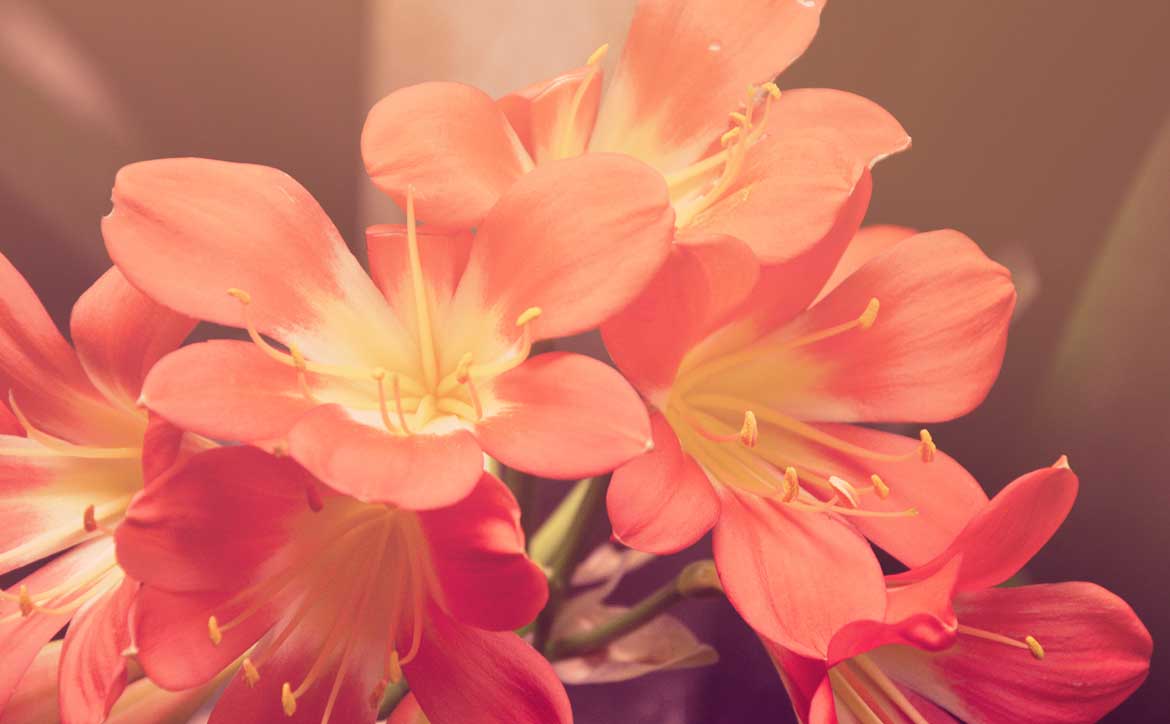
Magnoliophyta
A flower, sometimes known as a bloom or blossom, is the reproductive structure found in flowering plants (plants of the division Magnoliophyta, also called angiosperms). The biological function of a flower is to effect reproduction, usually by providing a mechanism for the union of sperm with eggs. Flowers may facilitate outcrossing (fusion of sperm and eggs from different individuals in a population) or allow selfing (fusion of sperm and egg from the same flower). Some flowers produce diaspores without fertilization (parthenocarpy). Flowers contain sporangia and are the site where gametophytes develop. Flowers give rise to fruit and seeds. Many flowers have evolved to be attractive to animals, so as to cause them to be vectors for the transfer of pollen.
Becoming-Corpus
“Becoming-Corpus”, Process Art Book by Angeli Sion & Ximena Garnica
Mertz Gilmore Foundation Grants
2013-2022
In A Labyrinth: The Dance of Butoh
“In A Labyrinth: The Dance of Butoh”, Michael Philip Manheim & Ximena Garnica
Puffin Foundation Production Grant
2009, 2010
Joyce SoHo
A.W.A.R.D Show Finalist
HERE Artist in Residence Program
2009-2012
CAVE, Butoh & NY
“CAVE, Butoh & NY”, View Points, The Saison Foundation, Japan
The Leo Model Foundation
2005-07-09
Asian American Arts Alliance
2005-2007
New York Art Scene
“New York Art Scene”, Art/Criticism (Vol.1), Tohshin-do co., Japan